Open in Google Earth
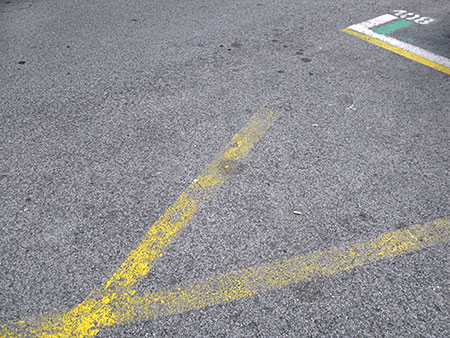
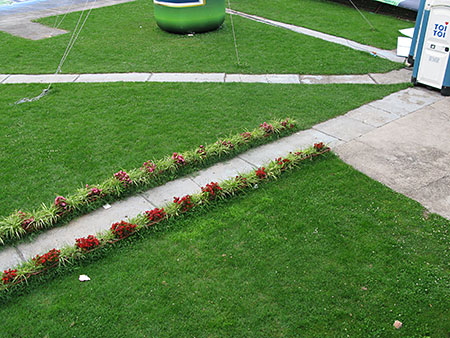
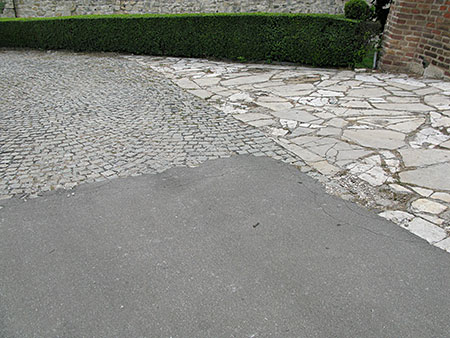
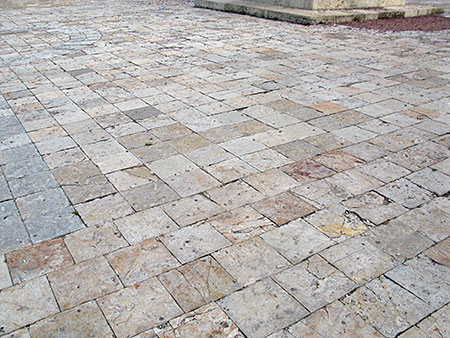
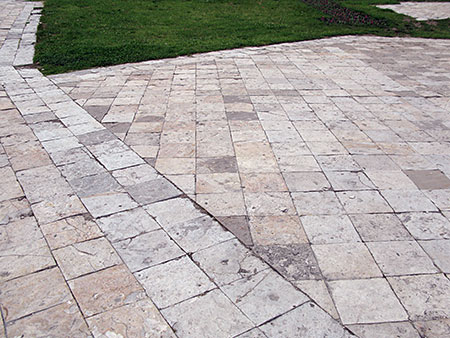
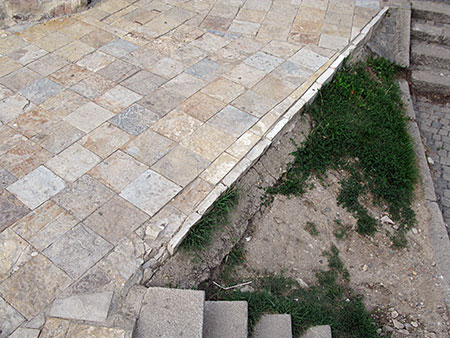
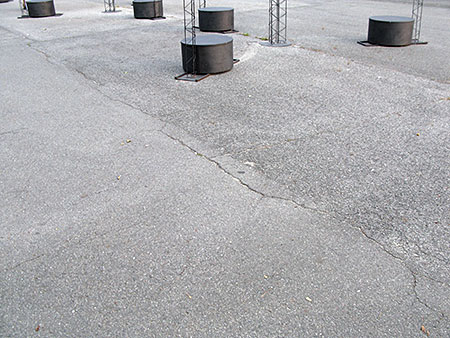
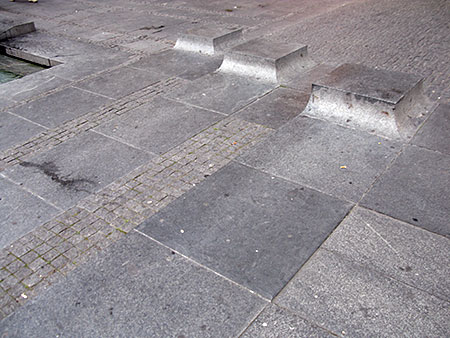
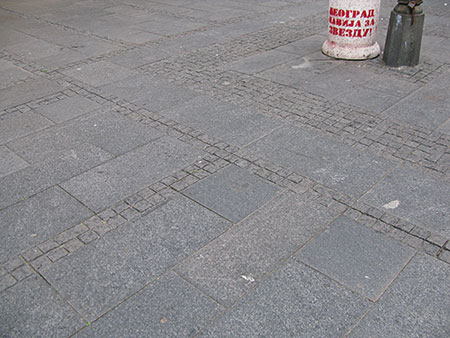
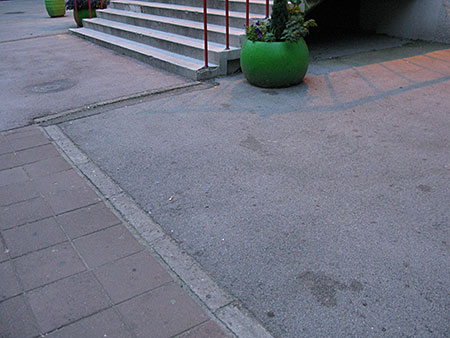
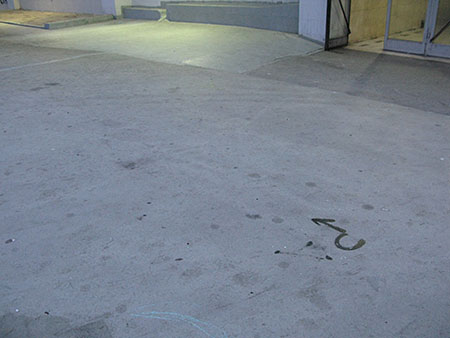
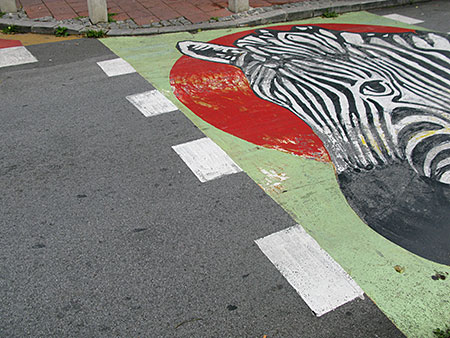
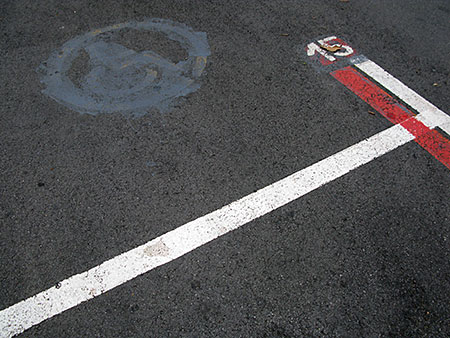
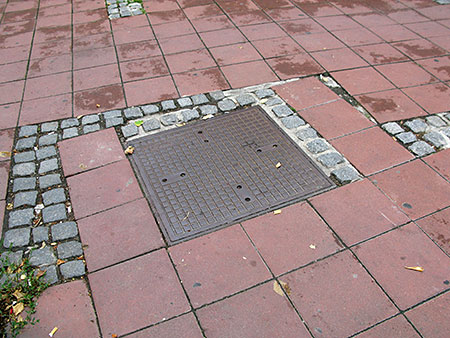
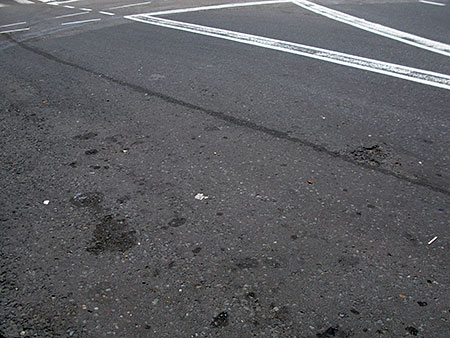
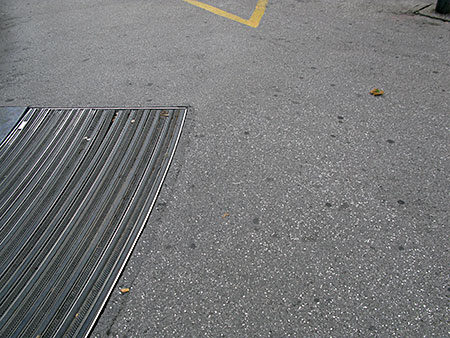
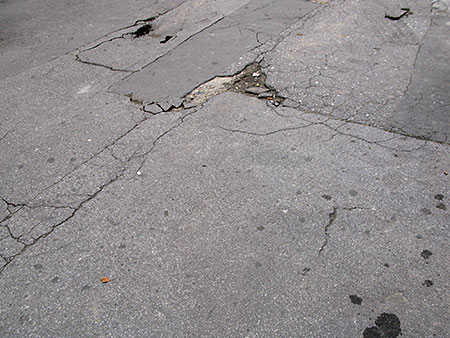
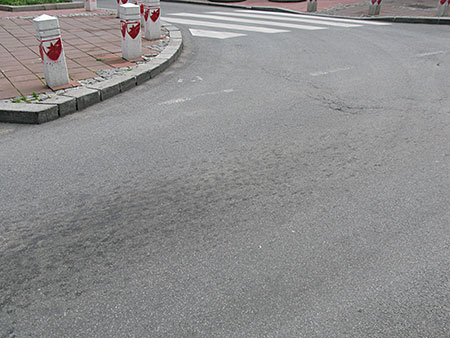
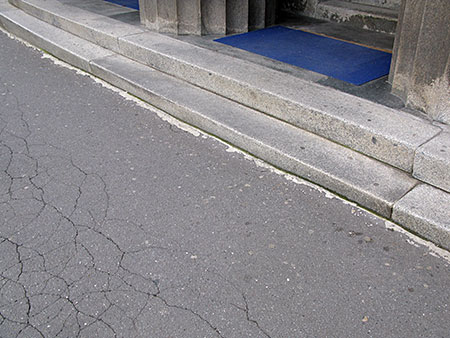
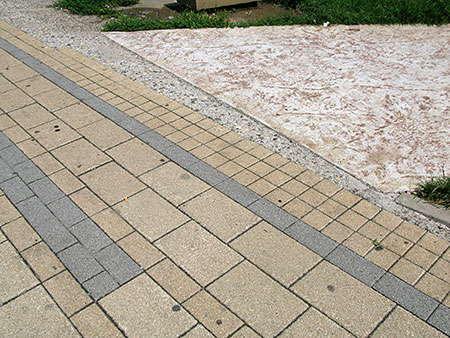
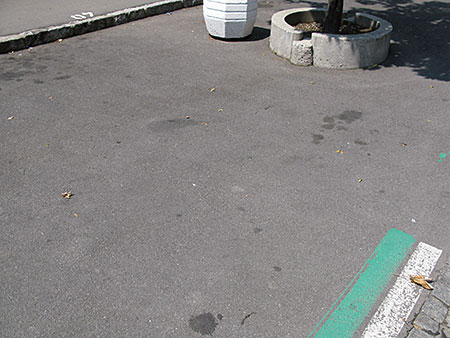
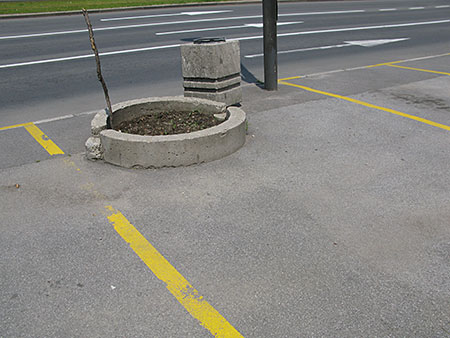
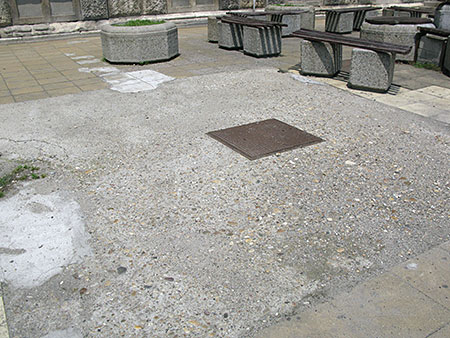
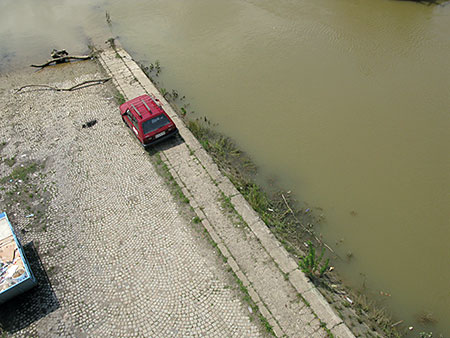
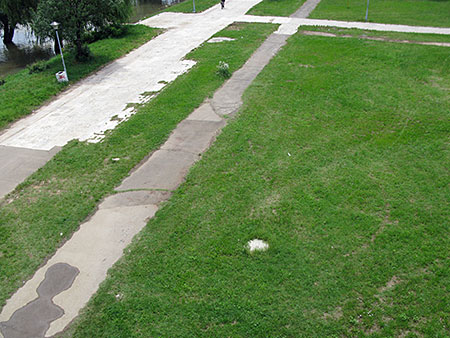
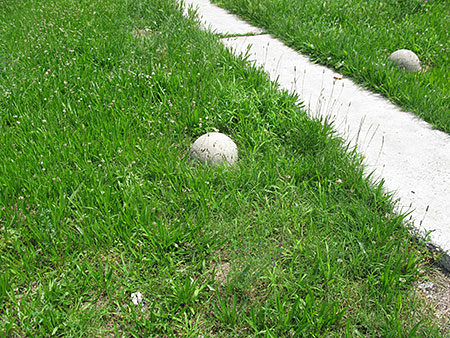
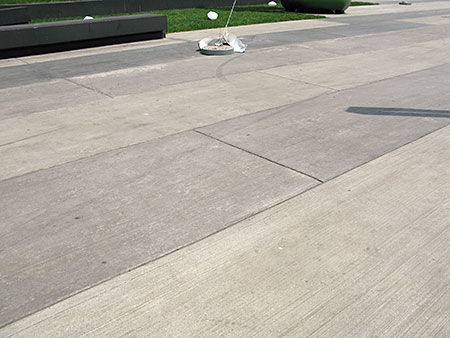
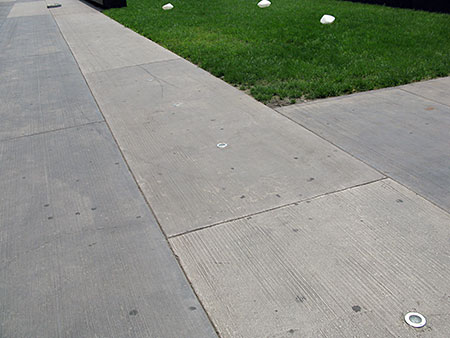
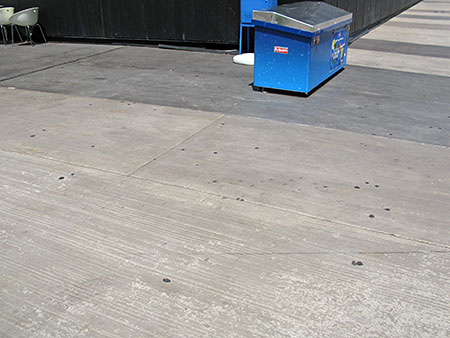
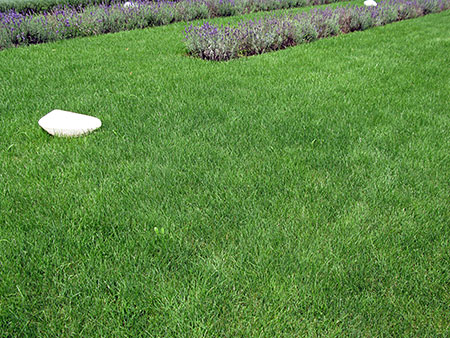
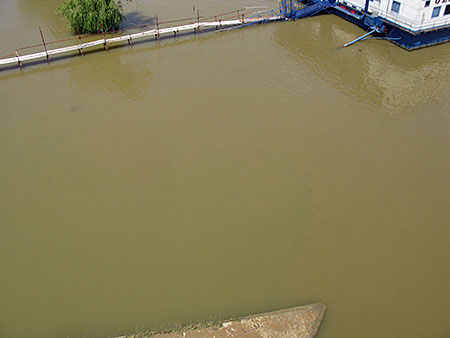
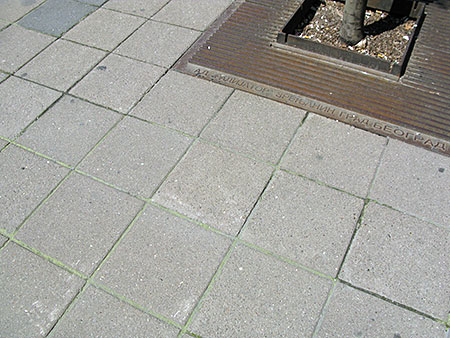
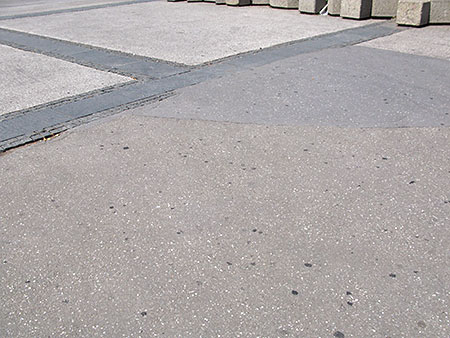
As part of the Rhizome City project taking place in Belgrade (July 2010), Martin John Callanan wandered the city streets and photographed the ground. This combines two longstanding research works:
Location of I and Grounds
RizomGrada (Rhizome City)
3-4 July 2010: Beograd, Republika Srbija; Belgrade, Serbia
5 July 2010: 7 pm at the Museum of Science and Technology, Belgrade
Project Rhizome City aesthetization digital shaping of the spatial network of cultural identity of the city of Belgrade. The authors and the participants explore and display of urban identity through personal understanding of the structure of the city. By creating an individual sense of space, in particular cultural punkovima in Belgrade, the artists transform the urban landscape in the combination of artistic, aesthetic, psychological, political and geographical differences and put them in the virtual world Google map Earth. They form the basis of data - as a cultural form of a list items that refer to a particular phenomenon (cultural points of Belgrade) without a narrative.
Rhizome is a term taken from the theory of rhizome, philosophers Gilles Deleuze and psychoanalyst Felix Gatarija. Rhizome is a model showing the world, spatial network, a lot of points that are related me?usobnoj, where everything can be attributed to all. Rhizome off a central point, the center, a hierarchical structure and metaphor for the ambiguity, the spread in space and expansion of meaning.
The symbol of the city is more complex symbol that provides greater expression of tension between the geometric combination of rationality and human life. In this view the curators of the Rhizome City discusses the concept of space rooted in different kinds of individual and collective experiences. "Geometric space" is different from other spacijalnosti by Merlo-Ponty defines as "anthropological space". So we come to the notion of cognitive cartography (cognitive mapping) Fredrik Jamison. The cognitive map is not based on imitation and reflecting reality. Aesthetics cognitive cartography is a method by which the social cognitive ucrtava individual relationship versus the local, national and international reality. Such an attitude is a certain kind of experience in relation to the world, the ability of its own enrollment and orientation articulating subjectivity within the mental, psihogeografske map.
Curators: Julian Protic, Jelena Rubil
Participant artists:
Matrin John Callanan
Ales Vaupotic
Narvika Bovcon
Franciska Wicke
Dejan hump
Jadranko Barisic
Krishna Dryer
Members DigitGroup:
Dragana Grbic
Goran Rubil
Milan Djuric
Milos Djuric
3-4 July 2010: Beograd, Republika Srbija; Belgrade, Serbia
5 July 2010: 7 pm at the Museum of Science and Technology, Belgrade
Project Rhizome City aesthetization digital shaping of the spatial network of cultural identity of the city of Belgrade. The authors and the participants explore and display of urban identity through personal understanding of the structure of the city. By creating an individual sense of space, in particular cultural punkovima in Belgrade, the artists transform the urban landscape in the combination of artistic, aesthetic, psychological, political and geographical differences and put them in the virtual world Google map Earth. They form the basis of data - as a cultural form of a list items that refer to a particular phenomenon (cultural points of Belgrade) without a narrative.
Rhizome is a term taken from the theory of rhizome, philosophers Gilles Deleuze and psychoanalyst Felix Gatarija. Rhizome is a model showing the world, spatial network, a lot of points that are related me?usobnoj, where everything can be attributed to all. Rhizome off a central point, the center, a hierarchical structure and metaphor for the ambiguity, the spread in space and expansion of meaning.
The symbol of the city is more complex symbol that provides greater expression of tension between the geometric combination of rationality and human life. In this view the curators of the Rhizome City discusses the concept of space rooted in different kinds of individual and collective experiences. "Geometric space" is different from other spacijalnosti by Merlo-Ponty defines as "anthropological space". So we come to the notion of cognitive cartography (cognitive mapping) Fredrik Jamison. The cognitive map is not based on imitation and reflecting reality. Aesthetics cognitive cartography is a method by which the social cognitive ucrtava individual relationship versus the local, national and international reality. Such an attitude is a certain kind of experience in relation to the world, the ability of its own enrollment and orientation articulating subjectivity within the mental, psihogeografske map.
Curators: Julian Protic, Jelena Rubil
Participant artists:
Matrin John Callanan
Ales Vaupotic
Narvika Bovcon
Franciska Wicke
Dejan hump
Jadranko Barisic
Krishna Dryer
Members DigitGroup:
Dragana Grbic
Goran Rubil
Milan Djuric
Milos Djuric
Commissioned by DigitGroup, Serbia as part of the Rhizome City project.